Feelings
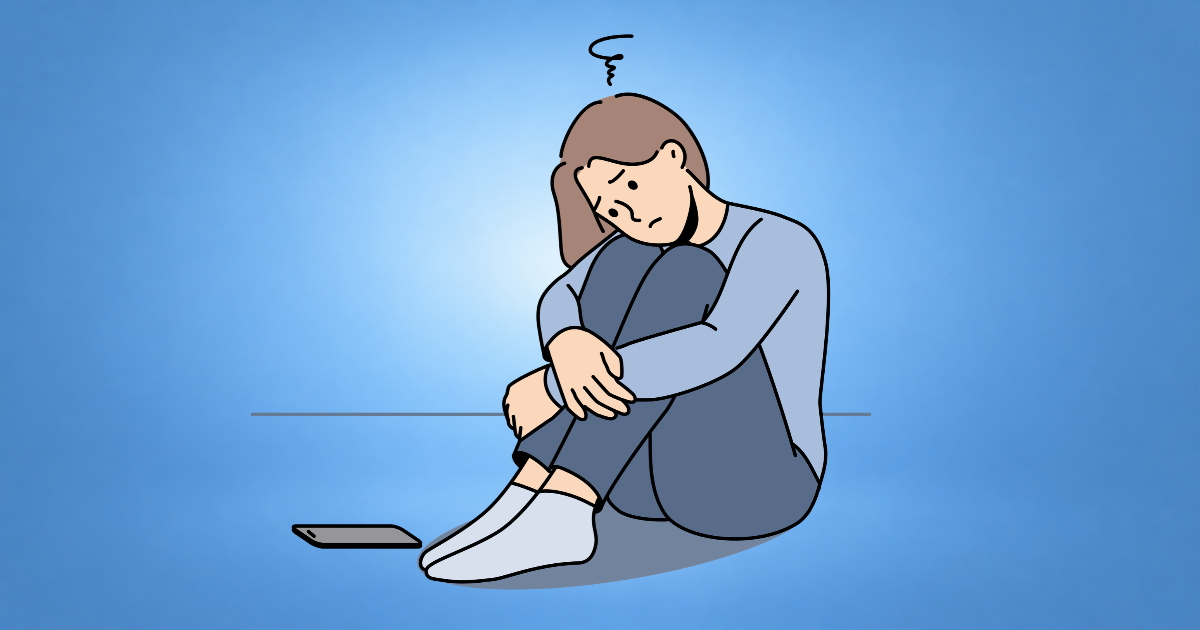
Feeling irritable, low in mood, or mentally stretched.

Do you feel stressed right now? Many people don't realize their stress levels until it affects their health. Take this test to find out your current stress level.
This 40-question self-check helps you reflect on your physical well-being, feelings, and pressures at work and in relationships. Your answers produce a stress score and an explanation to help you consider how you are feeling now.
Reflect on your everyday physical condition, feelings, and circumstances.
Your answers produce a percentage score and one of five level labels.
Explore a description of your result and ideas for reviewing rest and daily routines.
This test is a guide for self-reflection. It does not diagnose a medical condition or identify the cause of symptoms.
Stress is a mental and physical response to demands or changes. A trigger is called a stressor; the changes it brings about in your mind or body are called stress responses.
Workload, deadlines, relationship difficulties, life changes, or noise.
Feeling tense, struggling to recover from tiredness, or having trouble sleeping.
People can respond differently to the same situation. Temporary tension can be a natural response, while prolonged stress may affect daily life.
Look for changes from your usual patterns across these areas. These examples are prompts for reflection, not separate scores calculated by this test.
Feeling irritable, low in mood, or mentally stretched.
Difficulty falling asleep, lingering tiredness, tense shoulders or neck, or changes in appetite.
Avoiding social contact or paying less attention to personal grooming.
These changes can have causes other than stress. A single sign cannot establish a cause or a diagnosis; duration and effects on daily life also matter.
Your result includes a percentage score, one of the labels below, and an explanation. The levels are listed from lower to higher. The percentage is a score within this test, not a probability of illness or a ranking against other people.
Your answers suggest relatively few signs of strain. Use this as an opportunity to reflect on your current routines.
Your answers suggest relatively low strain. Any changes that concern you still deserve attention, regardless of the score.
Your answers suggest some strain. An “average” label does not mean you need to put up with distress.
Your answers suggest relatively more signs of strain. Consider the rest and support available to you.
Your answers suggest you may be feeling considerable strain. Use the result as a starting point to tell someone what is troubling you.
The result reflects your answers at this moment. It does not define your personality or your ability to cope.
Review sleep, meals, manageable physical activity, and time for hobbies alongside your workload and the support you can ask for.
Even with a low score, ongoing symptoms or difficulties in daily life are reasons to speak with a healthcare professional.
World Health Organization · 2026
Ministry of Health, Labour and Welfare · Kokoro no Mimi
These sources support the general explanation of stress. They do not validate this website’s 40 questions or scoring method.