Loneliness
How you feelFeeling emotionally distant even in a group.
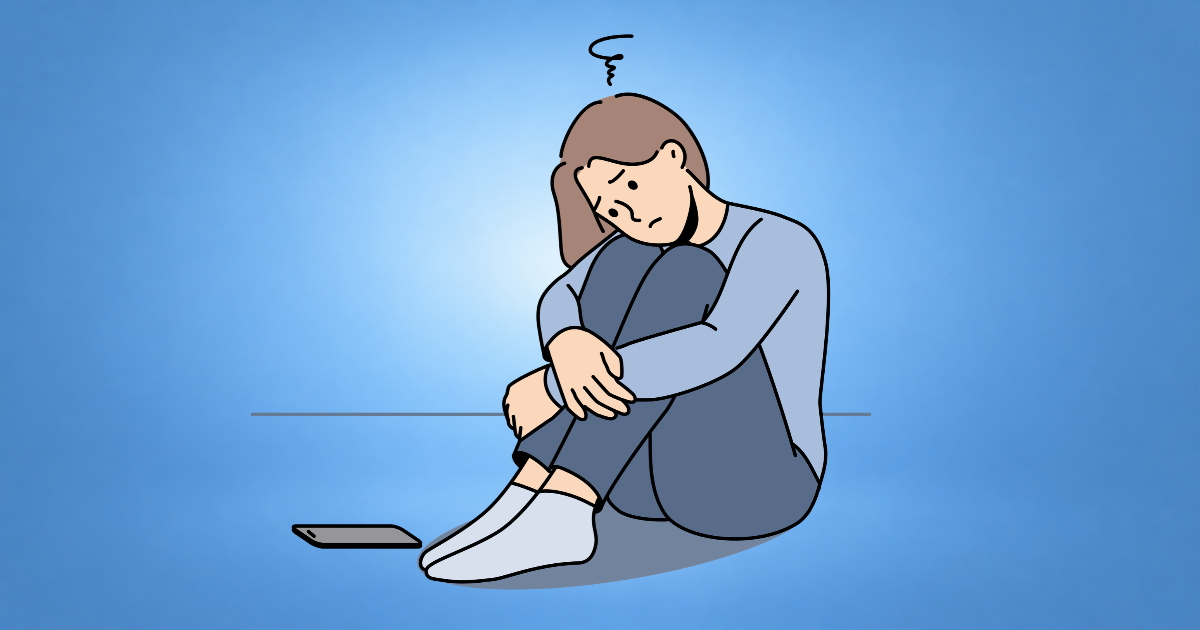
Do you feel lonely at the moment? Based on various psychological studies on loneliness, this 20-question, 3-minute test will gauge your current level of loneliness.
You can spend time with people and still feel that no one understands you. This test uses 20 questions about everyday connections and belonging to help you reflect on how lonely you feel right now.
Your results include a loneliness score, one of five levels, an explanation for that level, and suggestions for thinking about your connections with others.
Loneliness is the distressing feeling of a gap between the connections you want and those you feel you have. The number of people around you does not tell the whole story.
Feeling emotionally distant even in a group.
Having few social contacts or relationships to rely on.
Spending time alone and feeling at ease.
Living alone does not necessarily mean feeling lonely, and having many friends does not rule out loneliness. Chosen time alone and unwanted loneliness are different experiences.
The questions explore everyday relationships and experiences, including the following themes.
Whether you can share your feelings and your authentic self with someone.
Whether you feel part of your school
Whether you have someone to discuss a problem with or simply chat to.
How you usually feel about conversations and meeting new people.
These are themes in the questions, not separate scored dimensions. Choose answers that fit how you feel now, rather than how you would like to feel.
Your answers produce a loneliness score for this test and one of five levels. The descriptions below offer a brief guide to reading each level.
Your answers suggest quite low loneliness at present. Consider which connections help you feel secure and supported.
Your answers suggest a lower level of loneliness at present. Reflect on how you experience both social contact and time alone.
Your answers fall in the middle range of this test. Consider both the situations where you feel lonely and those where you feel at ease.
Your answers suggest a somewhat higher level of loneliness. This may be a starting point for exploring a wish to feel more understood or connected.
Your answers suggest a high level of loneliness at present. Take distress seriously and consider using your result to start a conversation with someone you trust.
The percentage is a score within this test, not a probability of illness or a ranking against other people. “Average Level” is a result label; it does not establish that your score matches a population average.
Researchers use questionnaires to ask people about their experience of loneliness. The UCLA Loneliness Scale and the University of the Philippines Loneliness Assessment Scale (UPLAS) are examples of researched measures. This test draws on these scales and also includes its own questions.
This is not an administration of either original scale. Research on those scales does not establish the accuracy of this site's 20 questions or its scoring system. This test cannot provide a medical diagnosis or determine your personality or suitability for a job.
Loneliness can change with your circumstances and over time. Chosen time alone can offer rest and reflection, while persistent, unwanted loneliness is a different experience. Prolonged loneliness and social isolation have been linked to mental and physical health problems. If distress or difficulties in daily life persist, speak to someone you trust or a qualified professional, regardless of your score.
These sources explain loneliness and related measures. They do not validate this site's test.