Lower neuroticism
More likely to stay relatively calm when under pressure.

Do you consider yourself a neurotic person? This test, based on the Big Five's neuroticism trait, assesses how neurotic you are. Answer 20 questions to check your level of neuroticism.
A small mistake that stays on your mind. A change of plans that leaves you unsettled. People differ in how they react emotionally to everyday events. Reflect on your usual responses to explore your level of neuroticism.
Answer 20 questions about worry, tension, and emotional reactions.
Get a percentage score and one of five result labels.
Explore your emotional responses and general guidance on work and relationships.
The percentage is an indicator within this test. It is not a population ranking or the probability of developing an illness.
Neuroticism describes a tendency to experience feelings such as anxiety, sadness, and irritability. It is one dimension of the Big Five model of personality. The opposite end is described as emotional stability.
In everyday language, being neurotic can suggest being fussy about details. This test focuses on emotional reactions and responses to stress, rather than simply measuring tidiness or attention to detail.
More likely to stay relatively calm when under pressure.
More likely to react strongly to worrying events.
These waves illustrate differences in emotional responses; they are not measurements. Lower and higher are points on a continuum, not judgments of personal worth.
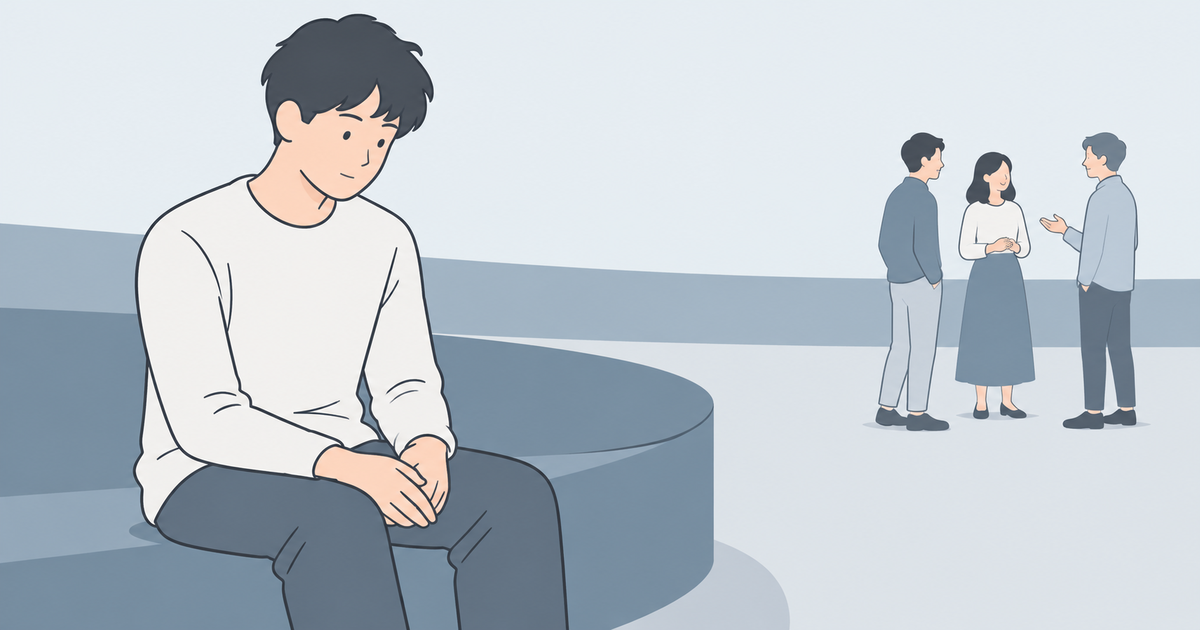
Neuroticism involves more than one passing mood. It can relate to how you experience situations like these.
Feeling anxious about what lies ahead or tense in unfamiliar situations.
Feeling down when things go wrong or experiencing noticeable emotional changes.
Replaying a mistake or someone’s words long after the moment has passed.
These are examples to help explain the concept. This test gives an overall neuroticism score, not separate scores for these areas.
Your result includes one of the following labels and an explanation. Here is a brief introduction to each level.
A tendency to remain composed and respond calmly to unexpected events.
A tendency toward relatively steady emotions and a calm response to pressure.
A tendency to experience some emotional changes while also being able to respond calmly.
A tendency to experience worry and emotional changes more readily, and to dwell on events.
A tendency toward stronger worry and emotional shifts, with change and pressure often feeling demanding.
Feeling nervous on one occasion does not establish high neuroticism. Choose answers that reflect your usual self rather than how you would like to be.
Neuroticism does not describe your whole personality. Someone outgoing may worry often, while someone quiet may be emotionally steady.
A high score does not mean you have a mental disorder, and a low score does not mean you never struggle. Comments about work and relationships are general guidance, not individual aptitude assessments.
American Psychological Association · APA Dictionary of Psychology
American Psychological Association · APA Dictionary of Psychology
These sources explain the concept of neuroticism. They do not establish the accuracy or validity of this particular test.