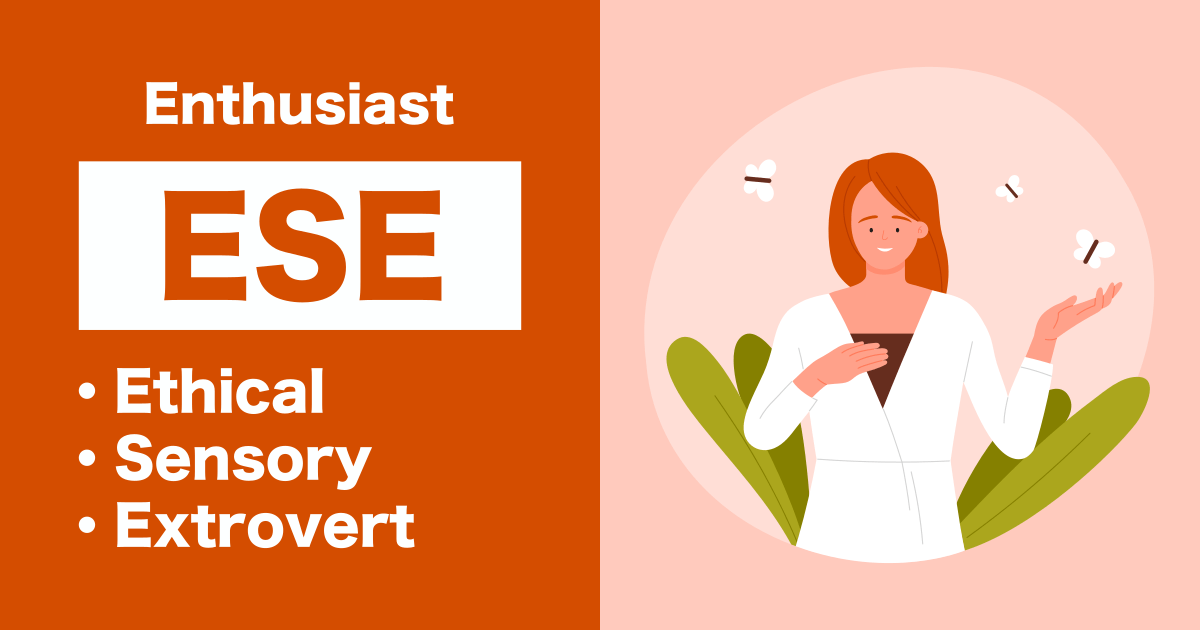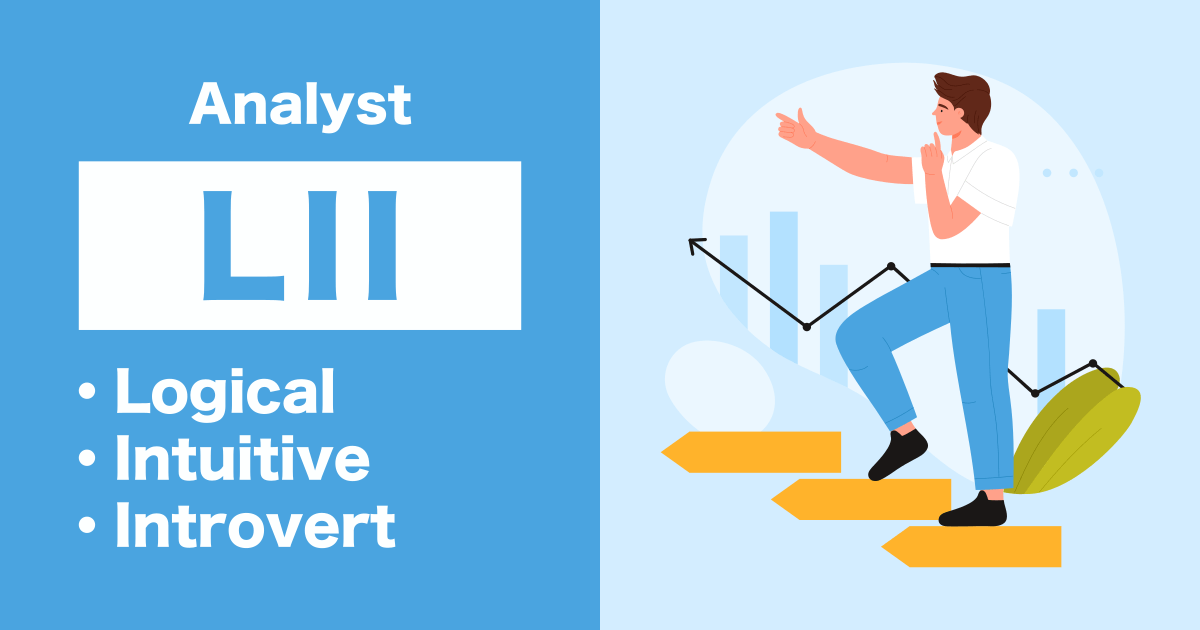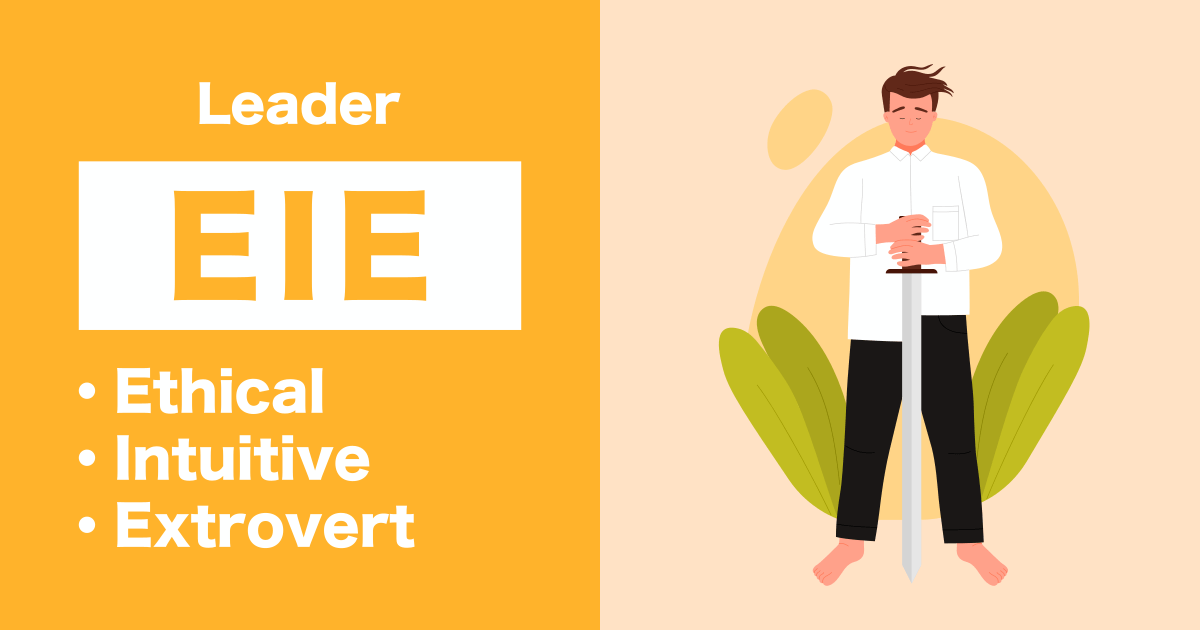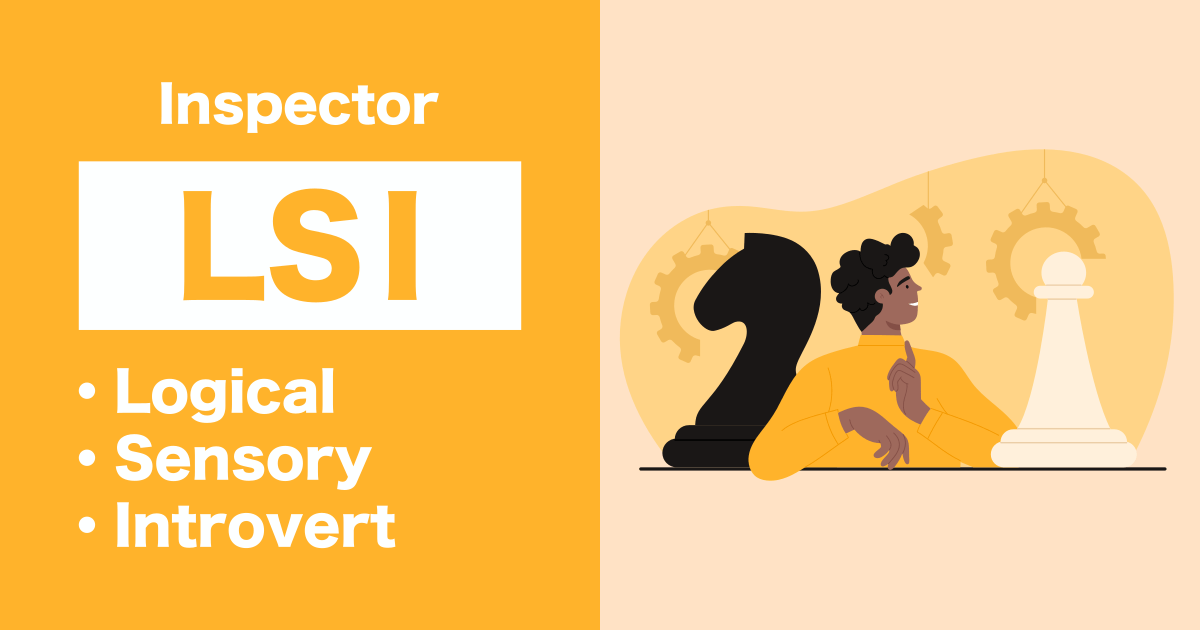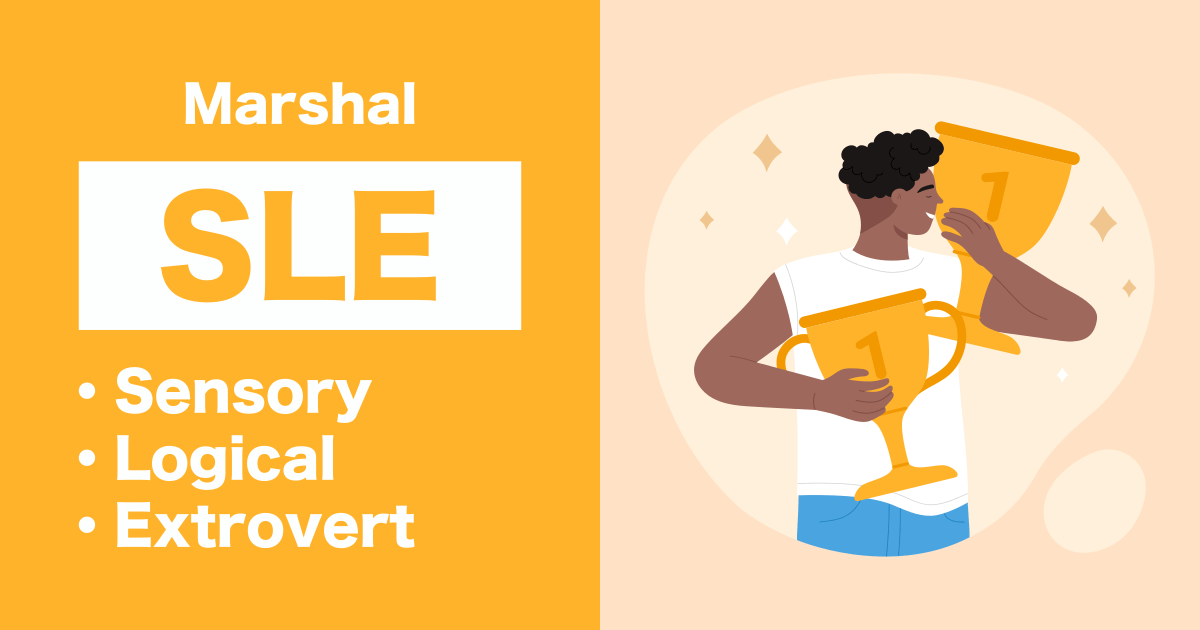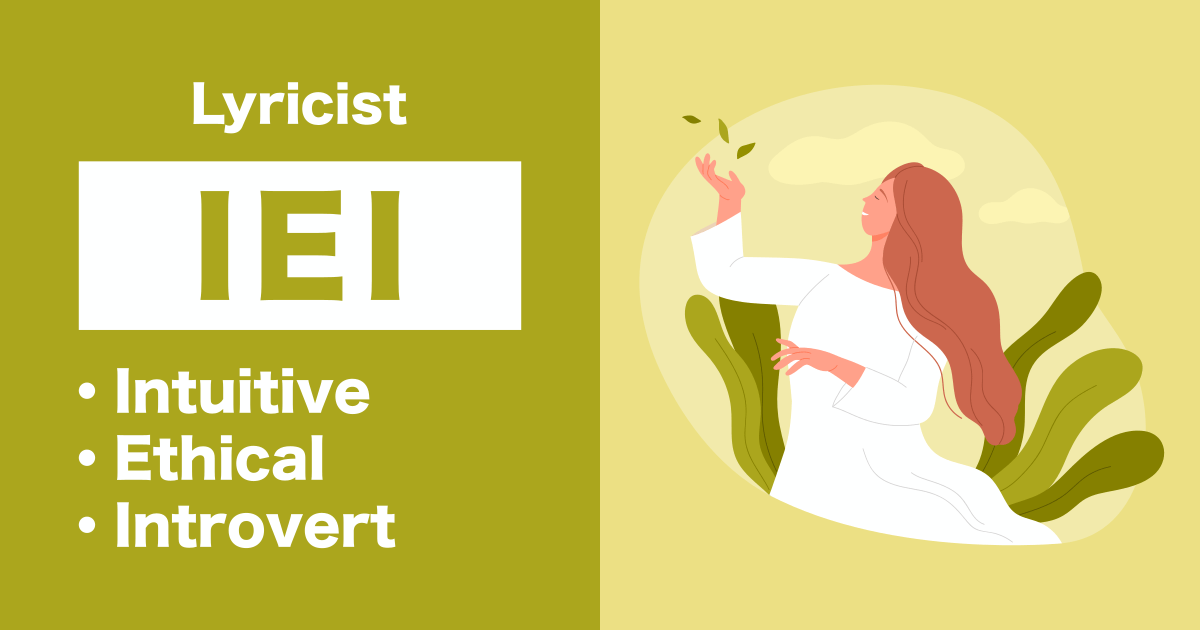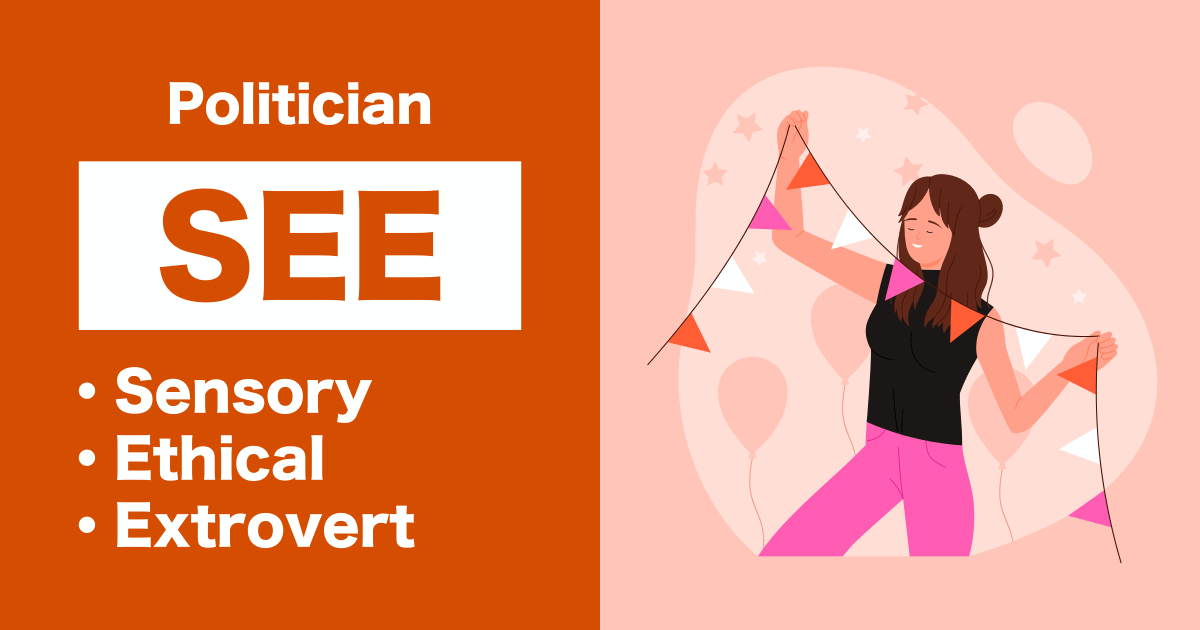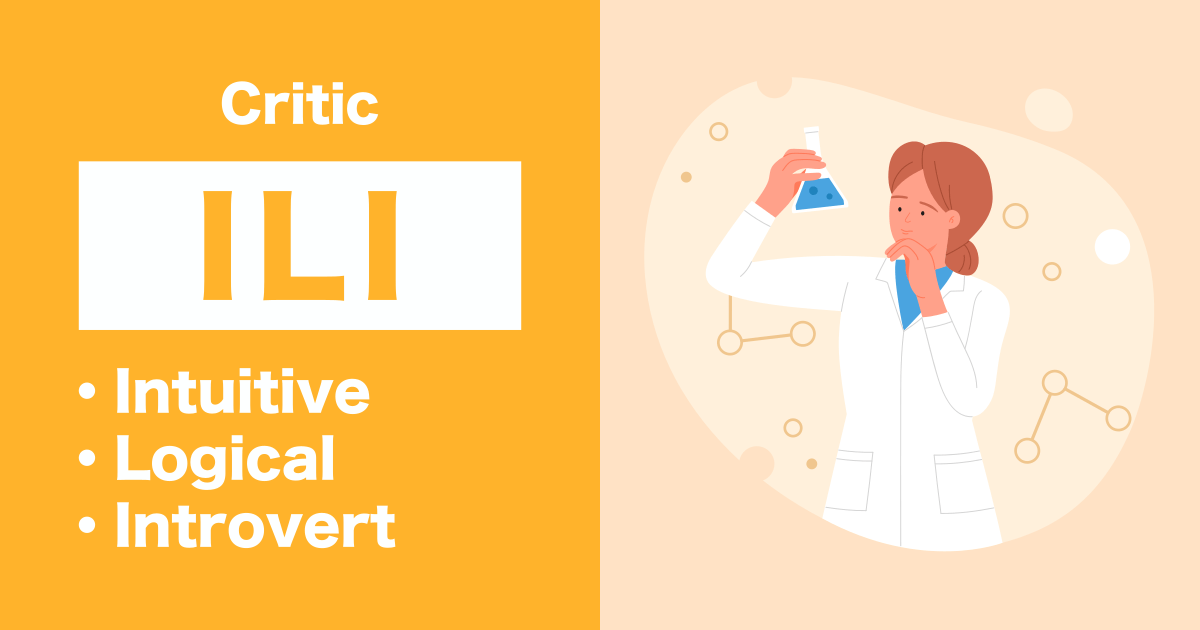
The basis for judgment
Logic
Attention to systems, consistency and facts.
Ethics
Attention to feelings and personal relationships.
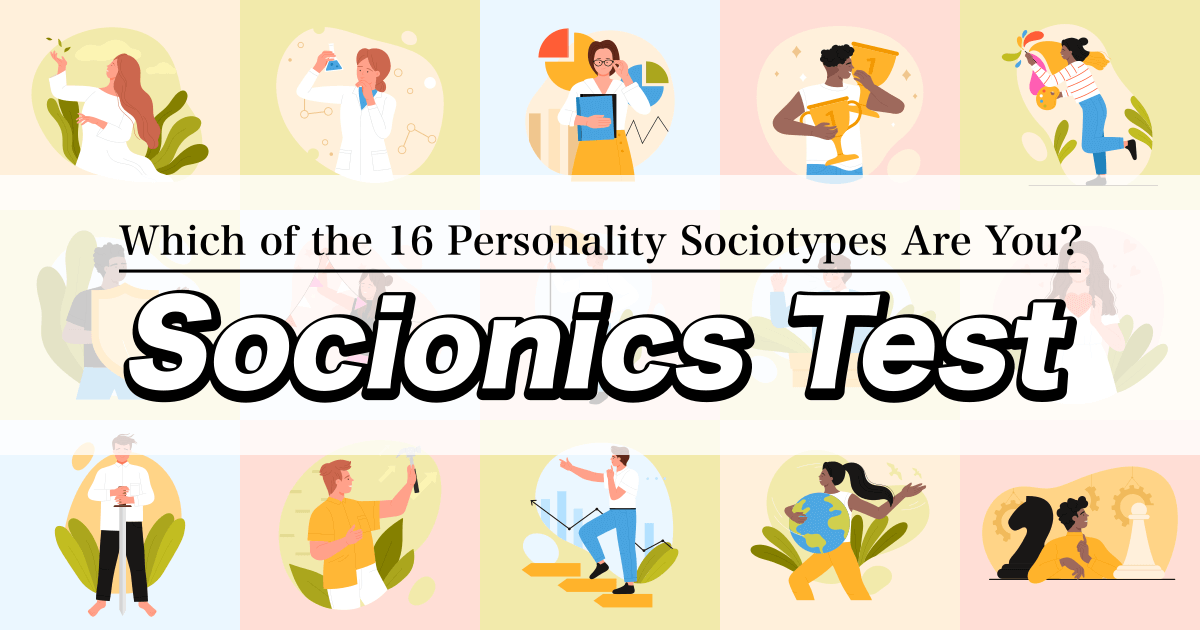
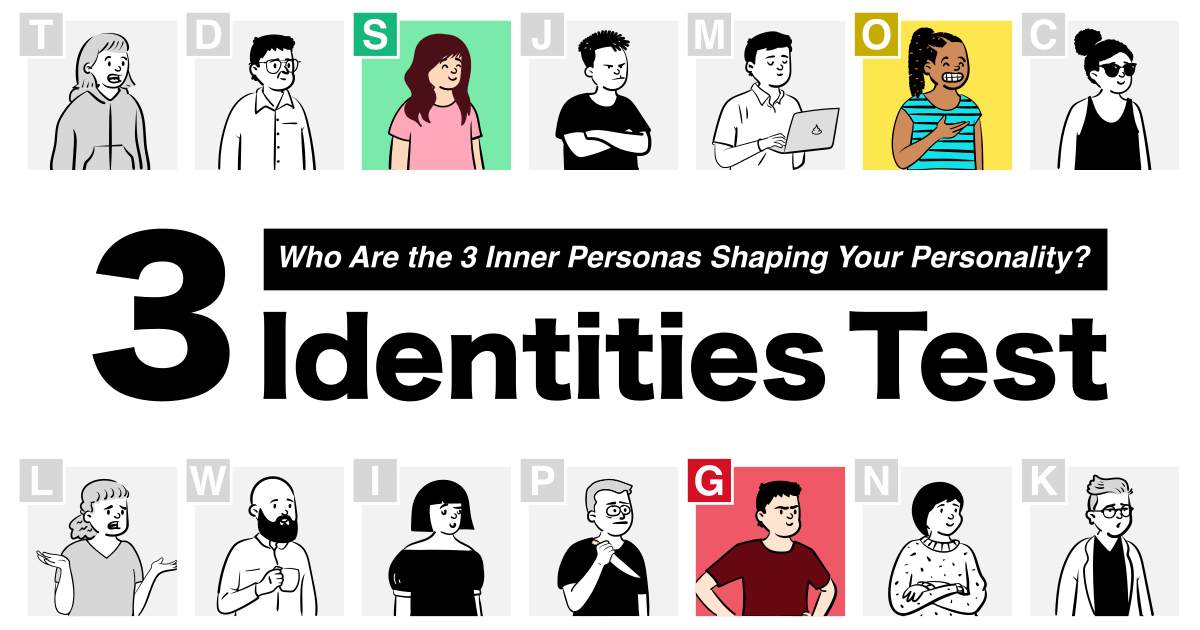
Socionics is a theory of personality classification developed based on Carl Jung's typology and the theory of information metabolism. In Socionics, individuals are categorized into one of 16 distinct types, known as sociotypes. By taking a 40-question test, you can discover which sociotype best represents your personality. So, which type are you?
Socionics is a typology that describes 16 sociotypes through differences in how people take in information and make judgments. It considers both individual tendencies and relationships between types.
Aušra Augustinavičiūtė developed the system in Lithuania in the 1970s, drawing on Jung’s psychological types and the concept of information metabolism. Here is a guide to its basic ideas.
Answer about your everyday self
Discover your closest sociotype
Explore your type’s description
Your answers suggest a sociotype, followed by a description of that type. Career and compatibility sections are general type descriptions, not measurements of your abilities or your relationship with a particular person.
The theory organizes types through four pairs of preferences. Neither side is better; each describes a different focus or way of engaging with information.
Attention to systems, consistency and facts.
Attention to feelings and personal relationships.
Awareness of concrete experiences and present conditions.
Awareness of possibilities, change and future developments.
Attention tends toward external objects and activity.
Attention tends toward relationships between objects and internal impressions.
A judging function — logic or ethics — leads.
A perceiving function — sensing or intuition — leads.
Ethics does not mean moral superiority, and irrationality does not mean unreasonable behavior. Extraversion and introversion also go beyond sociability. These are distinctions within the theory; this test does not display a separate score for each of the four pairs.
Information metabolism describes how the mind takes in, interprets and responds to information. Model A explains differences between types by placing eight information elements in eight functional positions.
Logic, ethics, sensing and intuition each have an extraverted and an introverted form. T means logic, F ethics, S sensing and N intuition; e means extraverted and i introverted. The role of an element depends on its position in the model.
This diagram illustrates the theory. Your test result does not include individual scores for the eight functions or a measurement of Model A.
A quadra is a group of four types that value the same four information elements. Members still differ in their strengths and roles. Explore any type below to read its full description.
Values possibilities, logical structure, shared emotions and comfort.
Explores unfamiliar possibilities and develops new ideas.
Responds to others’ feelings and creates a relaxed atmosphere.
Shares feelings openly and creates a welcoming atmosphere.
Seeks consistent theories and analyzes underlying structures.
Values shared emotions, logical structure, assertive action and the flow of time.
Uses enthusiasm and expression to engage people’s emotions.
Organizes rules and systems to maintain a clear structure.
Assesses situations, makes decisions and takes action.
Notices emotional nuances and expresses a rich inner imagination.
Values assertive action, the flow of time, practicality and personal relationships.
Influences the world around them and builds connections.
Observes patterns over time and anticipates developments.
Looks ahead and seeks effective ways to achieve goals.
Protects personal values and builds sincere relationships.
Values practicality, personal relationships, possibilities and comfort.
Organizes tasks and keeps things moving through practical efficiency.
Respects individual feelings and supports personal growth.
Notices people’s potential and builds flexible connections.
Uses practical skills to make everyday life work comfortably.
Socionics describes combinations of types through intertype relations. It considers not only similarities, but also how one person’s strengths relate to the kinds of support another person values.

ILE and SEI form a dual pair in the theory. Duality is described as a relationship in which each person can support the other through different strengths.
Type alone does not determine success in a relationship or at work. Use compatibility descriptions as a starting point for discussing differences, rather than a verdict about another person.
Start by choosing the answers that best reflect your everyday self.