Design and illustration
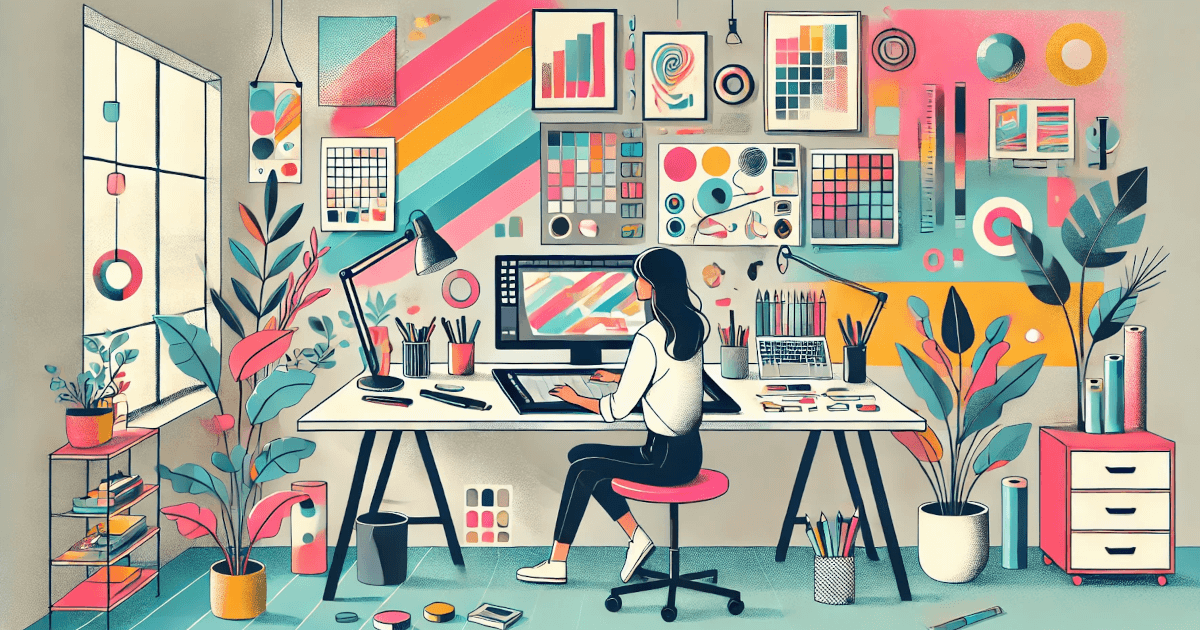
Posters, logos, packaging, and illustrations use color, shape, and composition to communicate visually.
Try making: a poster for an imaginary shop
Are you suited for a creative career? Whether it's design, content creation, filmmaking, or illustration, you want to bring your ideas to life—but are you truly cut out for it? Take this quiz to assess your creative aptitude and find out if a career in the creative industry is right for you.
Enjoying creative ideas is one part of enjoying creative work. These 20 questions help you reflect on how you approach experimentation, detail, feedback, and the process of making something.
A guide based on your answers, not a probability of getting hired or succeeding.
Read about strengths, challenges, and possible next steps associated with your score.
This quiz does not assess a portfolio or select the best creative profession for you. Use it as a starting point for reflecting on your current preferences.
Creative professionals produce designs, videos, writing, and digital content. Alongside personal expression, paid projects involve understanding an audience and a purpose, then delivering work within a brief and a deadline.
Understand the audience and purpose, then develop possible approaches.
Turn an idea into a draft or prototype and try it out.
Use feedback to revise the work and prepare the finished piece.
The process can loop back: making a draft may reveal a better idea. One person may handle the whole project, or a team may share the stages.
The skills you need depend on what you want to make. These are examples of creative fields, not the quiz’s result categories.
Posters, logos, packaging, and illustrations use color, shape, and composition to communicate visually.
Try making: a poster for an imaginary shop
Planning, filming, editing, and CG combine sequences, movement, and sound to tell a story or explain an idea.
Try making: a short introduction video
Articles, advertising copy, stories, and game scripts turn research and ideas into words for a particular audience.
Try making: an article about a favorite work
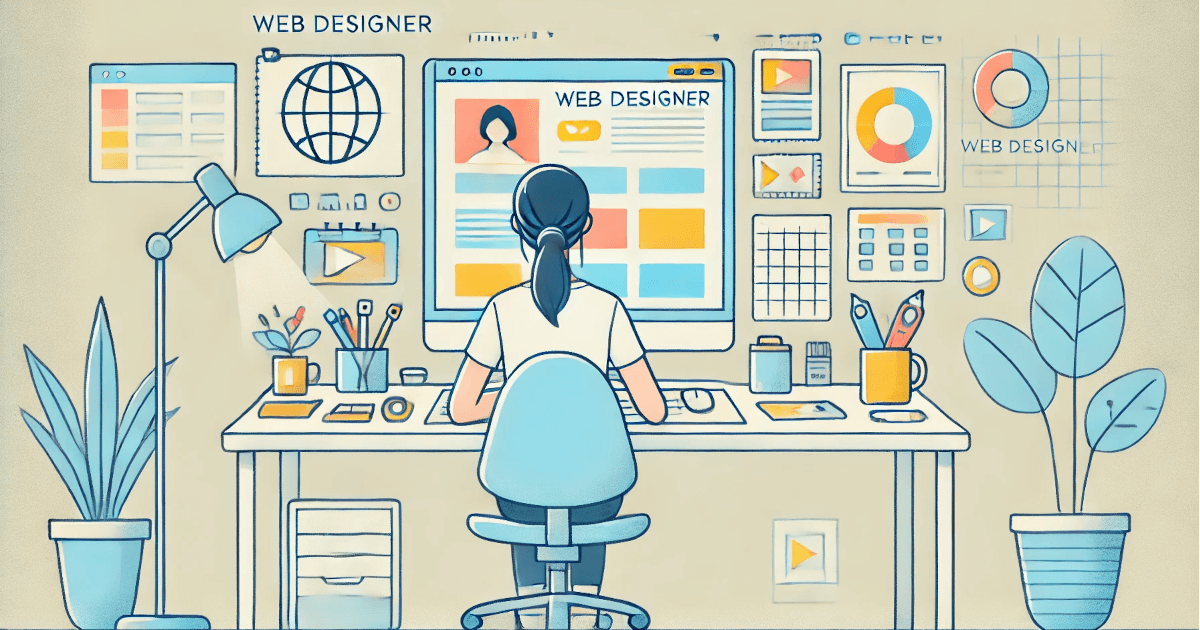
Websites, apps, and games bring together visual design, interaction, and functionality. Designers and developers may share the work.
Try making: a page showcasing your work
Ideas matter, but so does your experience of the making process. These comparisons offer ways to think about working preferences; they are not scoring dimensions or pass/fail requirements.
You enjoy exploring new forms of expression and trying your own approaches.
You find it difficult to move forward without a fixed procedure or a clear answer.
You enjoy refining details and trying again when a draft does not work.
Repeated revisions and patient finishing work make it hard to stay engaged.
You can explain your choices while adapting to requests and time limits.
Requested changes or time constraints can make the process feel stressful.
A difficulty in one area does not rule out a creative career. Being shy or uncomfortable speaking in public does not settle the question either. Your medium, working environment, and how responsibilities are shared can make a difference.
Choose a field that interests you and finish a small piece of work. Self-study, formal education, and courses are different routes; applying what you learn gives you direct experience of the process.
Study relevant principles and tools: color and layout for design, for example, or structure and editing for video.
Keep the scope manageable, such as one design or a short video. Use responses from viewers to identify what could improve.
Collect your work with its purpose, your contribution, and the choices you made. Learn new techniques as your projects call for them.