

16 Personality Types Test - Historical Figures Edition
Your Tsundere Level
0%Slightly Low Tsundere Level
Your Tsundere level is slightly below average. You’re generally open and straightforward with your feelings. While you may have a slight Tsundere tendency here and there, you don’t often act distant or cold. Instead, you likely come across as warm and friendly, with a natural way of expressing emotions that rarely leads to misunderstandings. Your openness creates a comfortable atmosphere for those around you.
Sponsored Links
Tsundere Test
Are You A Tsundere? Quiz
Take the Test (2min)Are You A Tsundere? Quiz
What is 'Tsundere'?
'Tsundere' is a term from Japanese anime and manga culture, describing a personality or behavior that alternates between a cold, distant attitude and hidden warmth or affection. This duality of 'tsun' (aloofness) and 'dere' (affection) creates a unique charm, and the term has grown popular as a character trope.
The 'tsun' side is a cold or aloof attitude, often shown when someone has trouble expressing their true feelings directly. Underneath, however, they feel affection or fondness that occasionally surfaces as 'dere,' showing sweetness and kindness.
The 'dere' side is the affectionate, kind-hearted expression that creates an endearing contrast with the 'tsun' moments, adding depth to the character.
Since the 2000s, 'tsundere' has gained popularity among fans for its 'gap appeal' and has even come to describe real-life personalities. It has become a way to capture both the diversity and relatable complexity of characters, as well as human interactions.
Famous Tsundere Characters
- Haruhi Suzumiya (The Melancholy of Haruhi Suzumiya)
- Asuka Langley (Neon Genesis Evangelion)
- Nino Nakano (The Quintessential Quintuplets)
- Mikoto Misaka (A Certain Magical Index)
- Kirino (Oreimo)
- Shana (Shakugan no Shana)
- Taiga Aisaka (Toradora!)
- Ai Haibara (Detective Conan)
The Psychology Behind Tsundere
The personality traits of a tsundere can be explained by a few psychological theories.
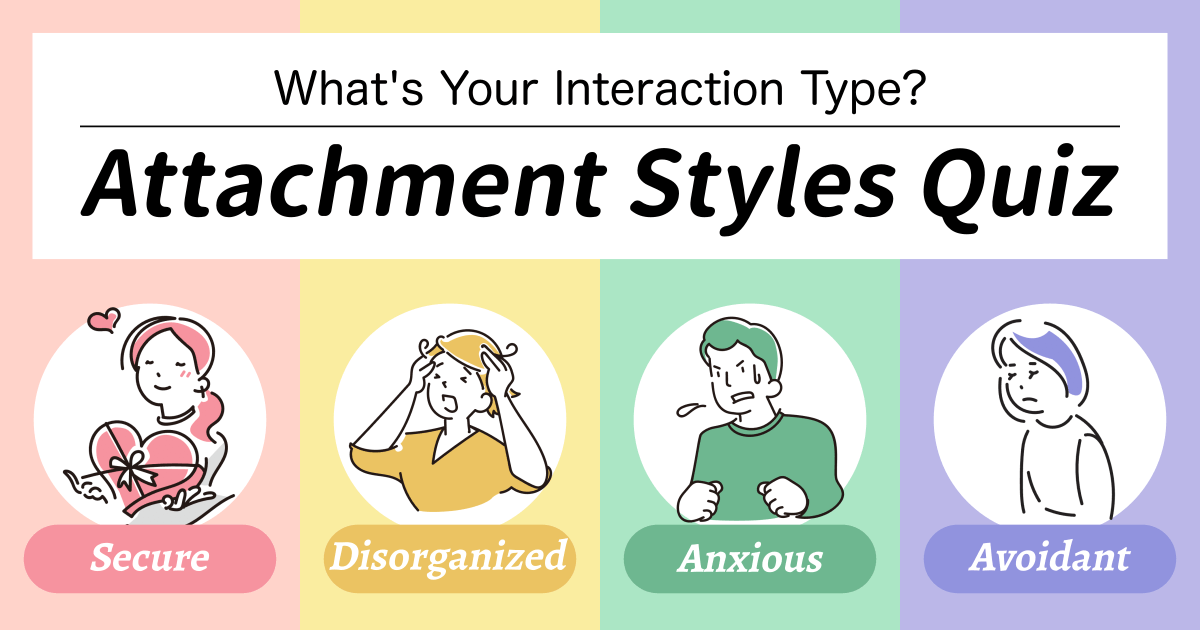
First, the 'ambivalent attachment style' in attachment theory is similar to tsundere behavior. People with this style often desire affection but fear rejection, leading them to hold back or keep their distance.
A tsundere's coldness can also relate to a defense mechanism called 'reaction formation,' where they suppress their true feelings and act in the opposite way to feel secure.
Finally, anxiety around self-expression is another common trait. The fear of revealing one's true emotions may appear as a 'tsun' or cold attitude, serving as a protective response in relationships.